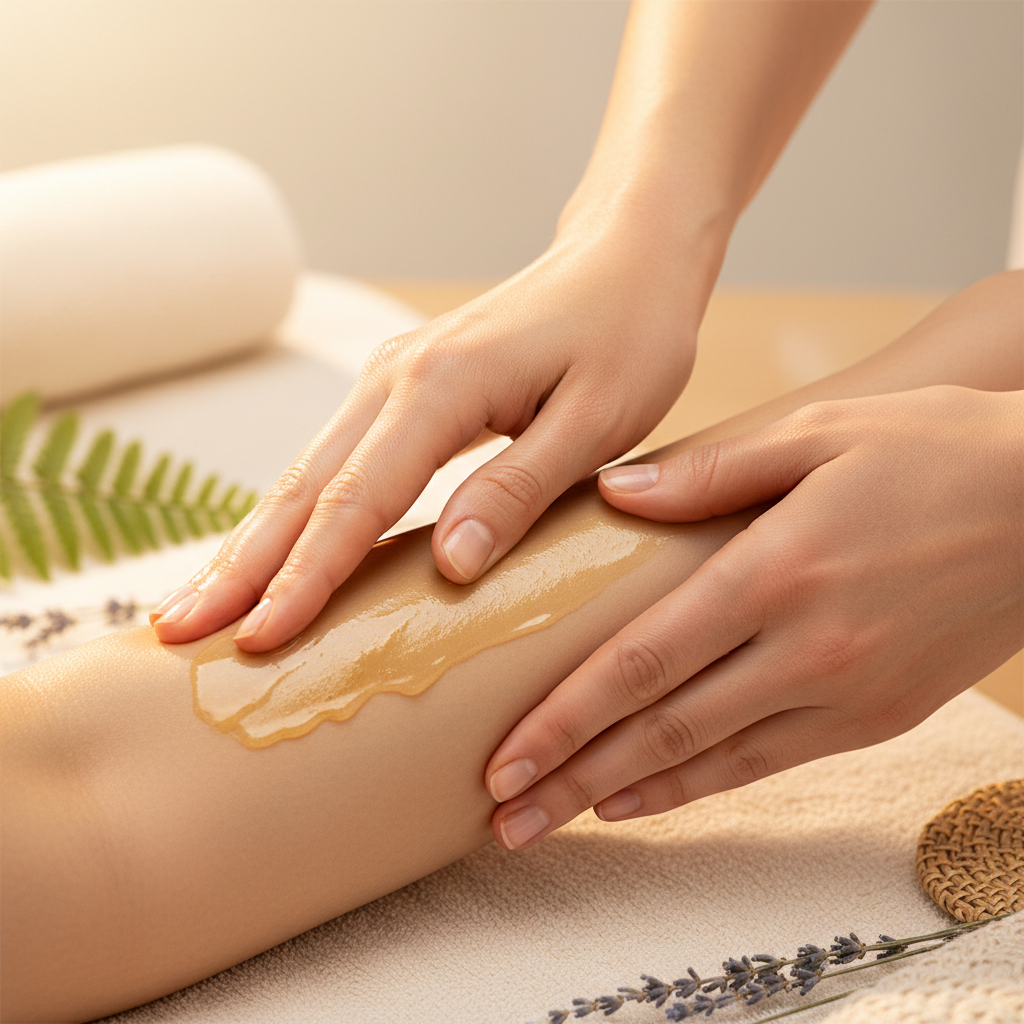
DIY Massage Techniques to Complement Professional Treatments in Riverside County


Living in Riverside County offers a plethora of options for professional massage treatments. However, incorporating some DIY techniques at home can enhance these experiences, providing relaxation and relief between appointments. Let's explore some effective DIY massage techniques you can try.
Understanding the Benefits of DIY Massage
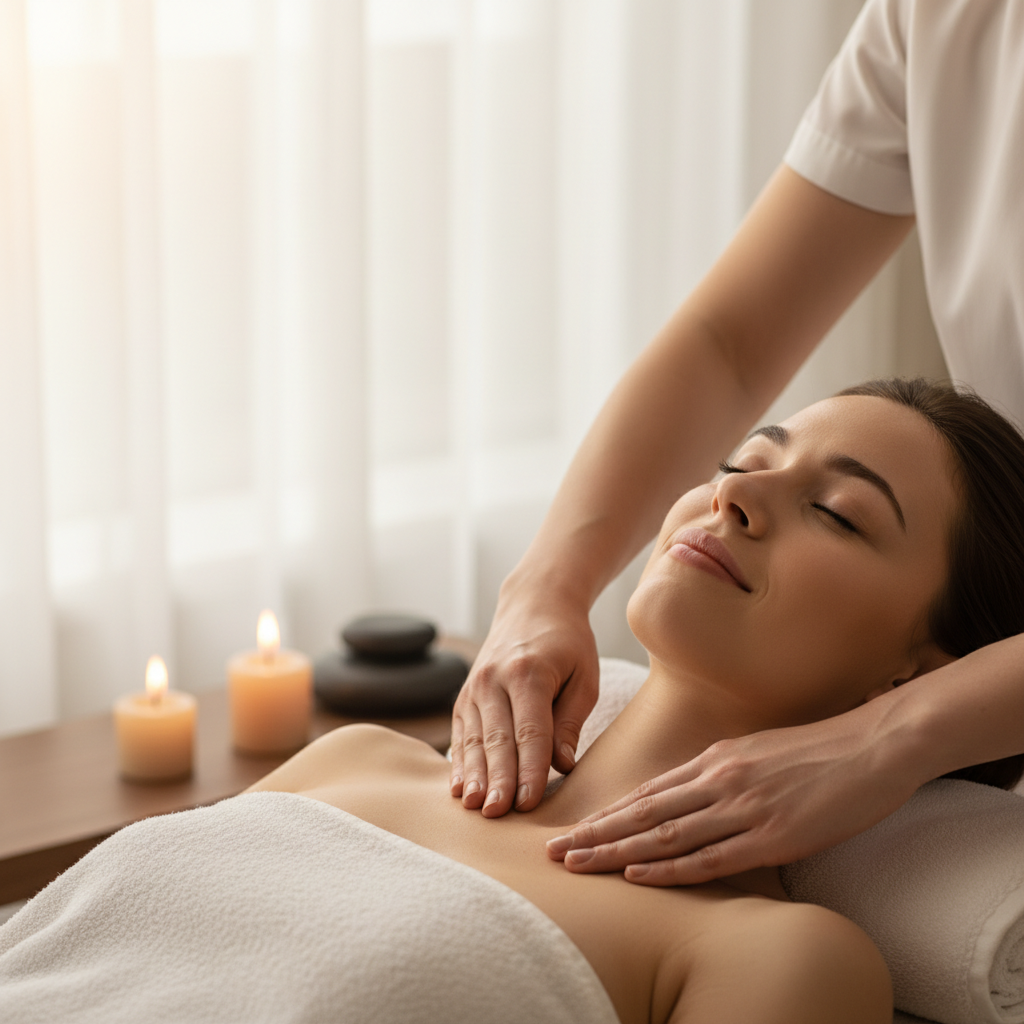
DIY massage techniques can be a great way to manage stress and alleviate muscle tension. These practices not only complement professional treatments but also promote self-awareness of your body's needs. By learning to apply these techniques, you can maintain a sense of well-being and prolong the benefits of your professional massages.
One of the main advantages of DIY massage is its accessibility. With a few simple tools and techniques, you can target specific areas of discomfort whenever needed, helping to maintain muscle health and flexibility.
Essential Tools for DIY Massage
While your hands are your primary tools for massage, incorporating a few additional items can enhance the experience. Consider investing in:
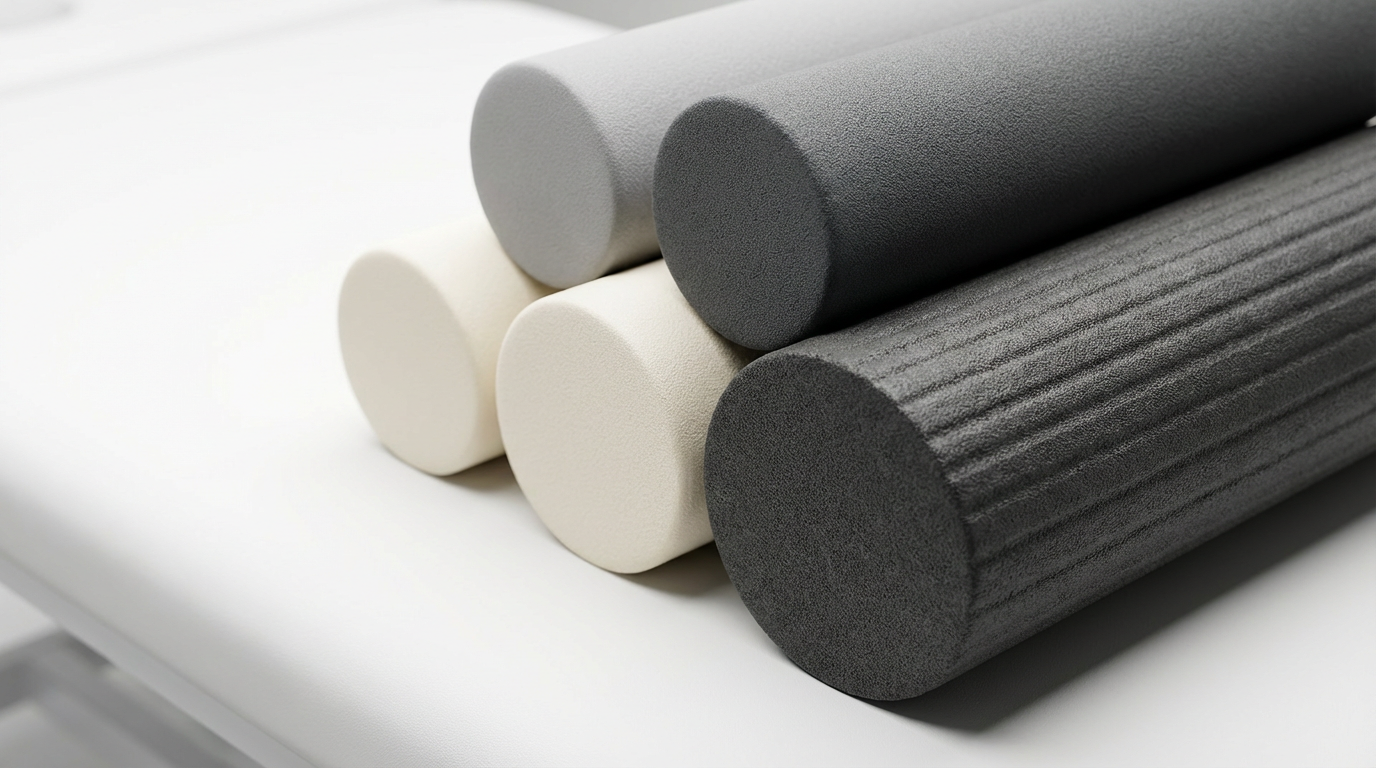
- Foam rollers for larger muscle groups
- Tennis balls or massage balls for pinpoint pressure
- Massage oils or lotions for smoother movements
These tools can assist in providing deeper pressure and reaching areas that may be difficult to massage with hands alone.
Foam Rolling Techniques
Foam rolling is a popular method for self-myofascial release. It helps increase blood flow and reduce muscle tightness. To use a foam roller, slowly roll the targeted area over the roller, holding on tender spots for 20-30 seconds.
Targeting Specific Areas
Different parts of the body require different techniques. Here are some simple ways to address common areas of tension:
Neck and Shoulders
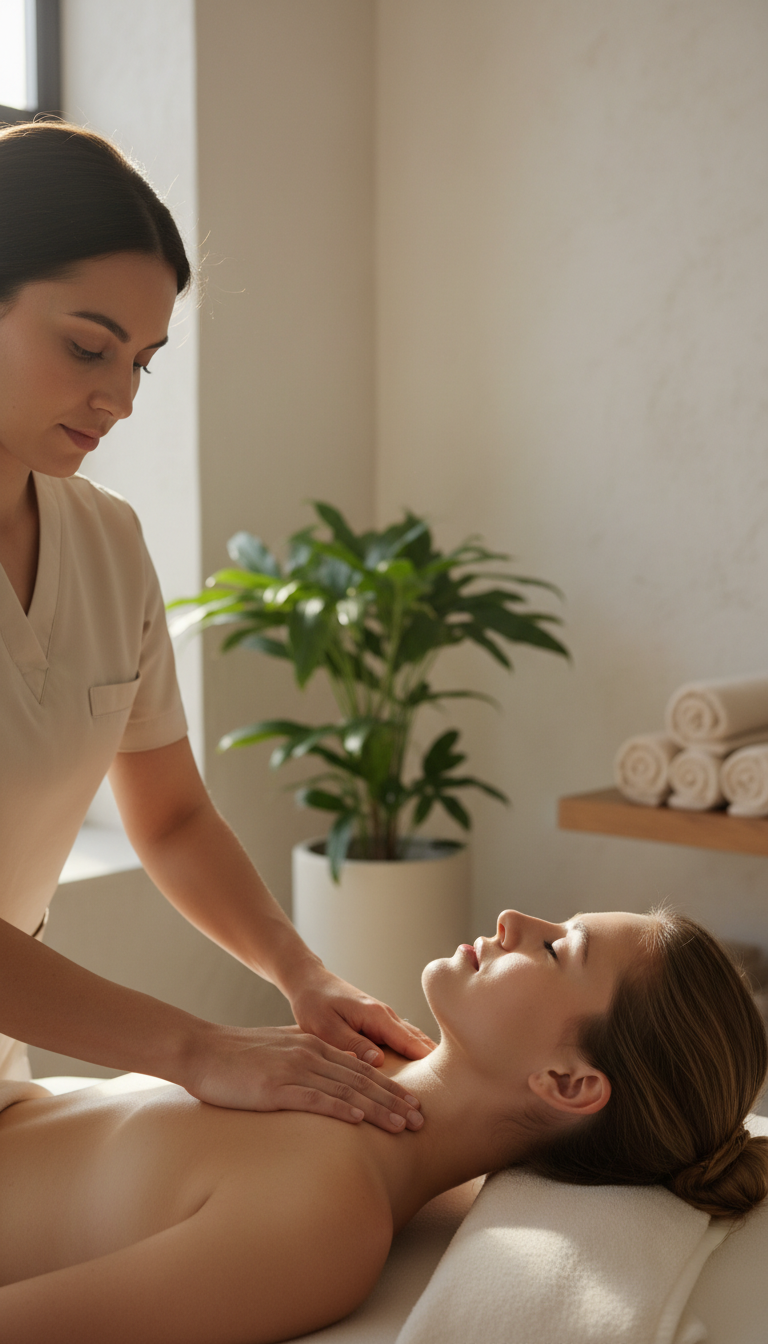
For neck and shoulder tension, use your fingers and thumbs to apply gentle circular motions. This can help relieve tension accumulated from prolonged screen time or stress.
Lower Back
Place a tennis ball between your back and a wall, gently moving up and down to massage the lower back. This technique can be particularly effective for relieving lower back discomfort.
Incorporating Relaxation Techniques
Combining massage with relaxation techniques like deep breathing or meditation can amplify the benefits. As you perform your DIY massage, focus on your breath, inhaling deeply and exhaling slowly to maximize relaxation.
By creating a calming environment, perhaps with soothing music or aromatherapy, you can transform a simple DIY massage session into a holistic experience that rejuvenates both body and mind.
Conclusion
DIY massage techniques are a valuable addition to your wellness routine. By practicing these methods, you can enhance the effects of professional treatments and maintain your well-being. Remember, consistency is key. Make these techniques a regular part of your self-care regimen to enjoy their full benefits.