
Debunking Common Myths About Reflexology Sessions


Understanding Reflexology: A Brief Overview
Reflexology is an ancient practice that involves applying pressure to specific points on the feet, hands, or ears. These points are believed to correspond to different organs and systems within the body. Despite its growing popularity, several myths continue to cloud the understanding of this holistic therapy.
In this blog post, we aim to debunk some of the most common misconceptions surrounding reflexology sessions, providing a clearer picture of what to expect and the potential benefits of this practice.

Myth 1: Reflexology Is Just a Foot Massage
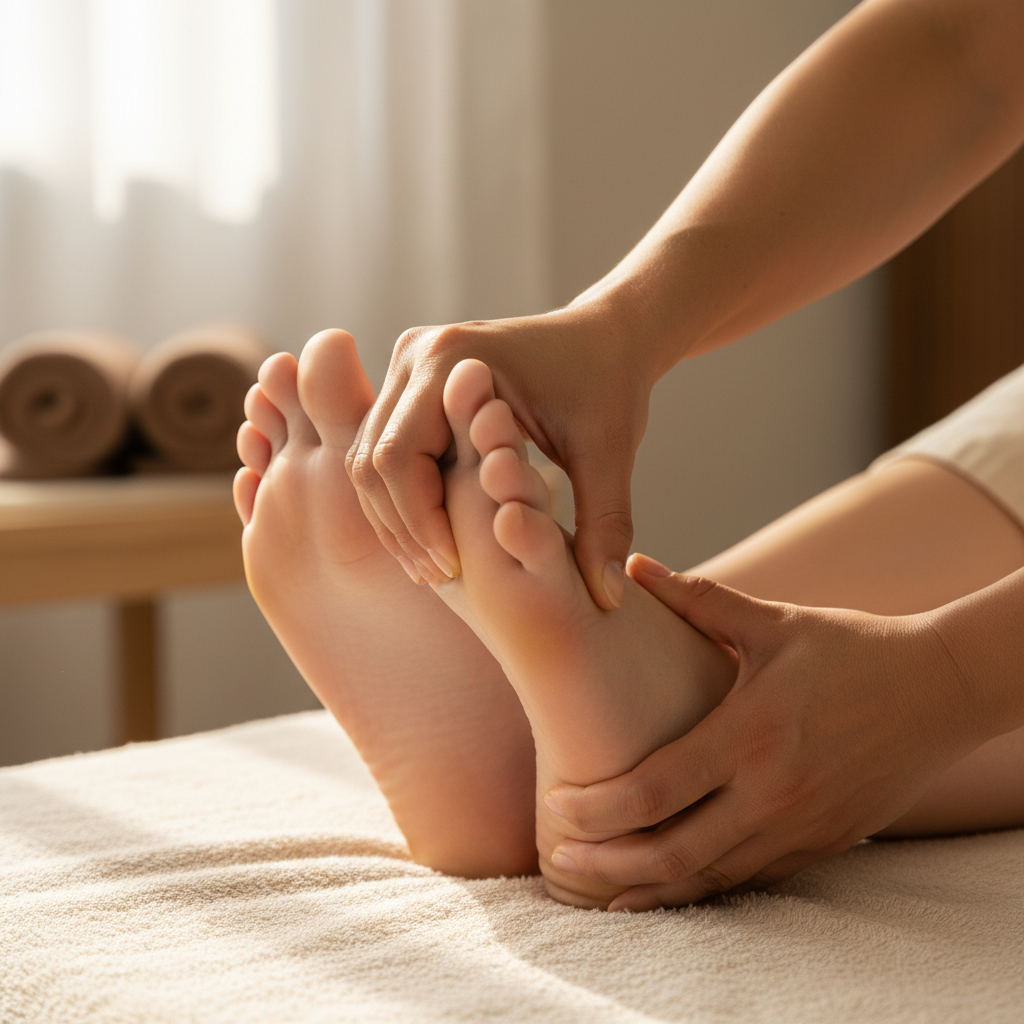
One of the most common misconceptions is that reflexology is merely a foot massage. While both involve the feet, reflexology is a targeted therapy aimed at stimulating specific reflex points that correspond to different body parts.
Unlike a typical foot massage, which focuses on relaxation and relieving muscle tension, reflexology aims to promote healing and improve overall wellness by activating the body’s natural healing processes.
Myth 2: Reflexology Can Diagnose Illnesses
Another widespread myth is that reflexology can be used to diagnose medical conditions. While reflexologists can detect imbalances within the body, they are not trained to diagnose or treat specific diseases.
Reflexology should be seen as a complementary therapy that works alongside conventional medical treatments, rather than as a replacement for professional medical advice or diagnosis.
Myth 3: Reflexology Is Painful
Some people are hesitant to try reflexology because they believe it will be painful. In reality, reflexology is a gentle therapy. Practitioners use varying degrees of pressure tailored to the client’s comfort level.
While some areas may be more sensitive, the experience should not be painful. Communicating with the reflexologist about any discomfort is essential to ensure a pleasant session.
Myth 4: Reflexology Is Only for Feet
Although reflexology is often associated with the feet, it can also be performed on the hands and ears. Each area contains reflex points that correspond to various parts of the body.
This flexibility allows reflexologists to provide therapy even to those who may have foot injuries or discomfort, ensuring everyone can benefit from the practice.
The Benefits of Reflexology
Despite the myths, reflexology offers numerous benefits, including stress reduction, improved circulation, and enhanced relaxation. Many individuals find it to be a valuable part of their wellness routine.
By addressing imbalances and promoting relaxation, reflexology can support overall health and well-being, making it a worthwhile addition to holistic health practices.
Conclusion: Understanding the Facts
Debunking these myths is crucial to understanding the true nature of reflexology. By dispelling misinformation, we can appreciate reflexology for what it is—a beneficial, complementary therapy that promotes balance and wellness.
As with any therapy, it's important to consult with qualified practitioners and integrate reflexology into a broader health and wellness plan. By doing so, you can enjoy the full range of benefits that this ancient practice has to offer.